


Alternative Treks
Things To Know About The Alternative Treks
Ancient routes beyond the imperial roads
Long before these trails were known as “alternative,” they were essential lifelines for Andean communities. Winding through high mountain passes, remote valleys, and untouched landscapes, these routes connected people long before they connected empires. Unlike the grand imperial roads, many of these paths followed local knowledge, shaped by generations who understood the rhythms of the land and the challenges of altitude, climate, and terrain.
These trails were not built for ceremony or power, but for survival, trade, and daily life. Shepherds, farmers, and travelers used them to move between ecological zones, exchanging goods and sustaining relationships across vast and rugged territories. Walking these routes today reveals a quieter history — one defined not by monuments, but by continuity and deep connection to place.
Alternative Treks
Isolation, endurance, and cultural continuity
When the Inca Empire fell and colonial influence reshaped the region, many of these remote paths faded from wider use. Their isolation protected them from transformation, allowing traditions to endure with minimal outside influence. Over time, nature reclaimed the trails, but they never disappeared from local memory.
For centuries, Andean communities continued to use these routes, preserving knowledge of the land through daily movement and oral tradition. The paths remained active, not as historical relics, but as living infrastructure supporting agriculture, herding, and cultural exchange. This endurance is what makes Alternative Treks unique — they offer access to landscapes and ways of life that have remained largely unchanged.
The alternative trekking experience today
Today, Alternative Treks invite travelers to step beyond the familiar and into the heart of the Andes. These routes offer solitude, raw landscapes, and meaningful encounters with local communities, far from the crowds of more traveled paths. The experience is shaped by effort, silence, and immersion — a journey that rewards those willing to slow down and engage deeply with their surroundings.
Choosing an Alternative Trek is a choice for authenticity. It is an opportunity to walk alongside living culture, witness traditional lifestyles, and experience the Andes in their most elemental form. These treks are not defined by famous destinations, but by the journey itself — a powerful reminder that some of the most meaningful paths are the ones less traveled.


ALTERNATIVE TREKS
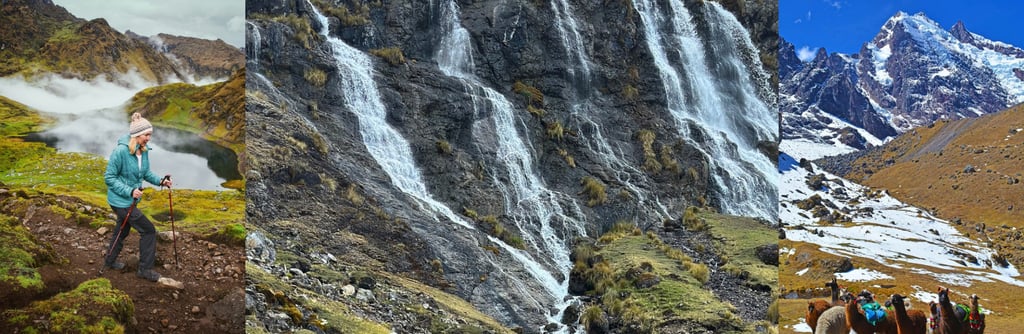
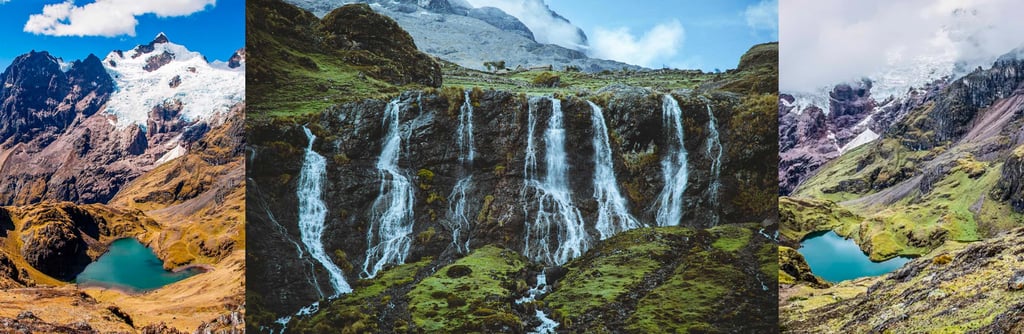
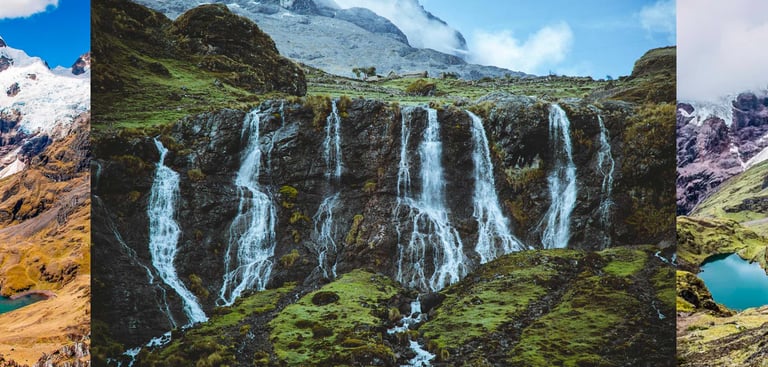
Lares Trek – 4D/3N
A scenic trek through Andean communities and hot springs, ending with a guided visit to Machu Picchu.
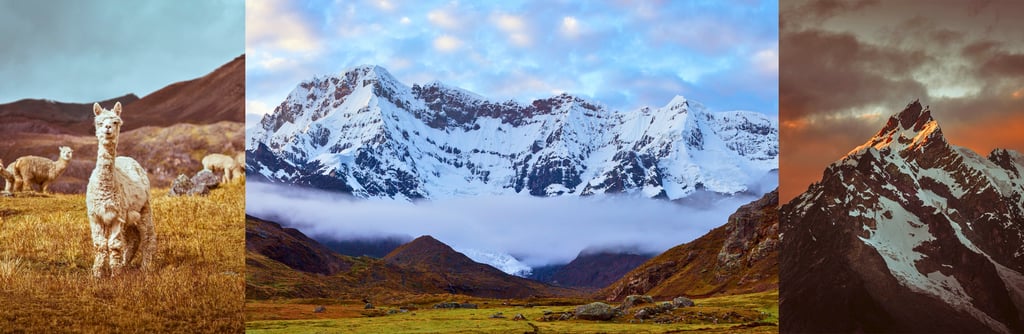
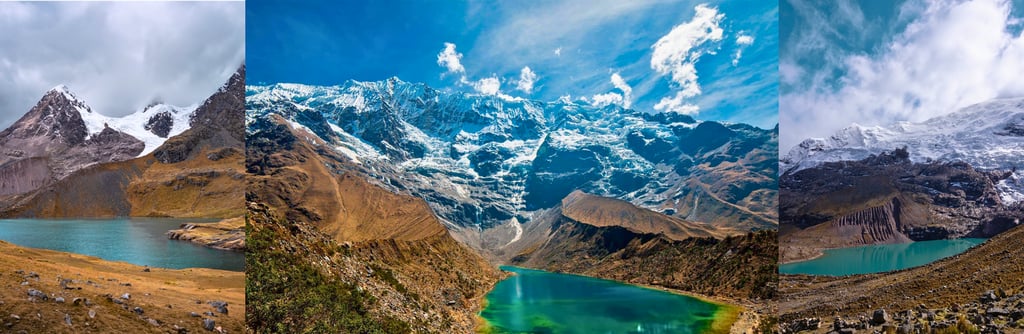
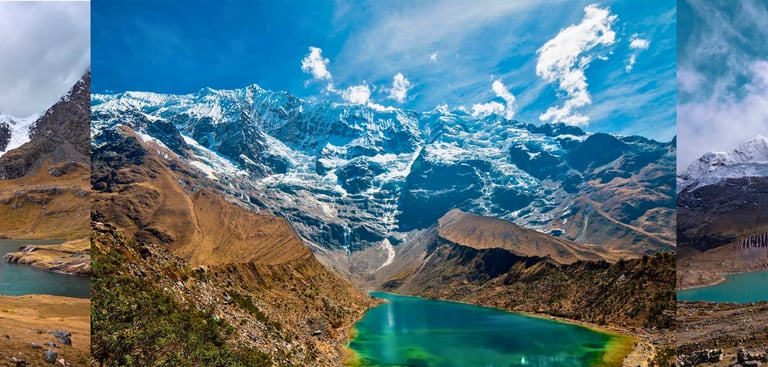
Ausangate Trek – 4D/3N
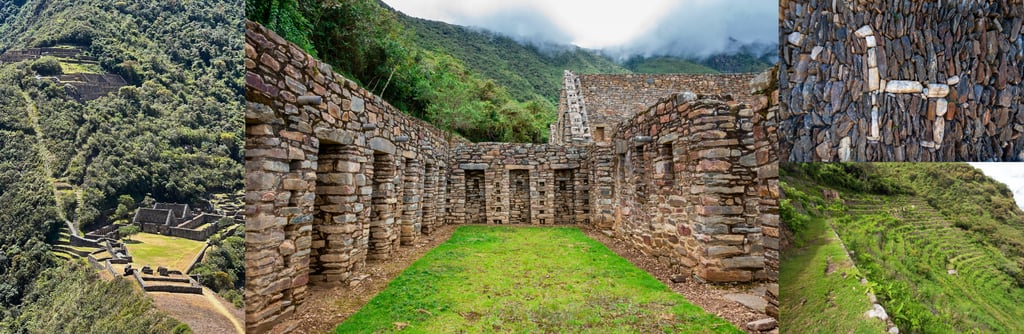
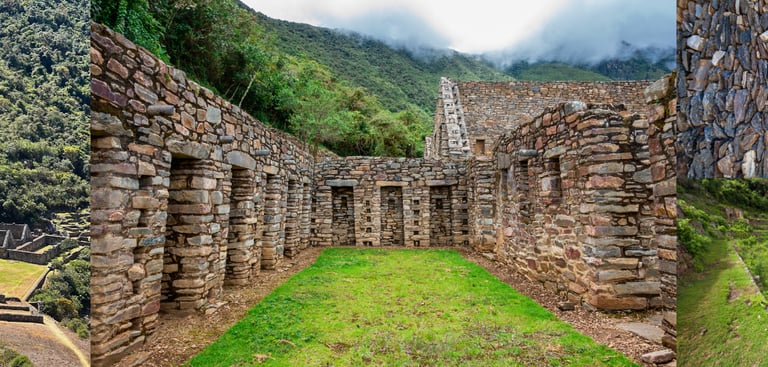
Choquequirao Trek – 4D/3N
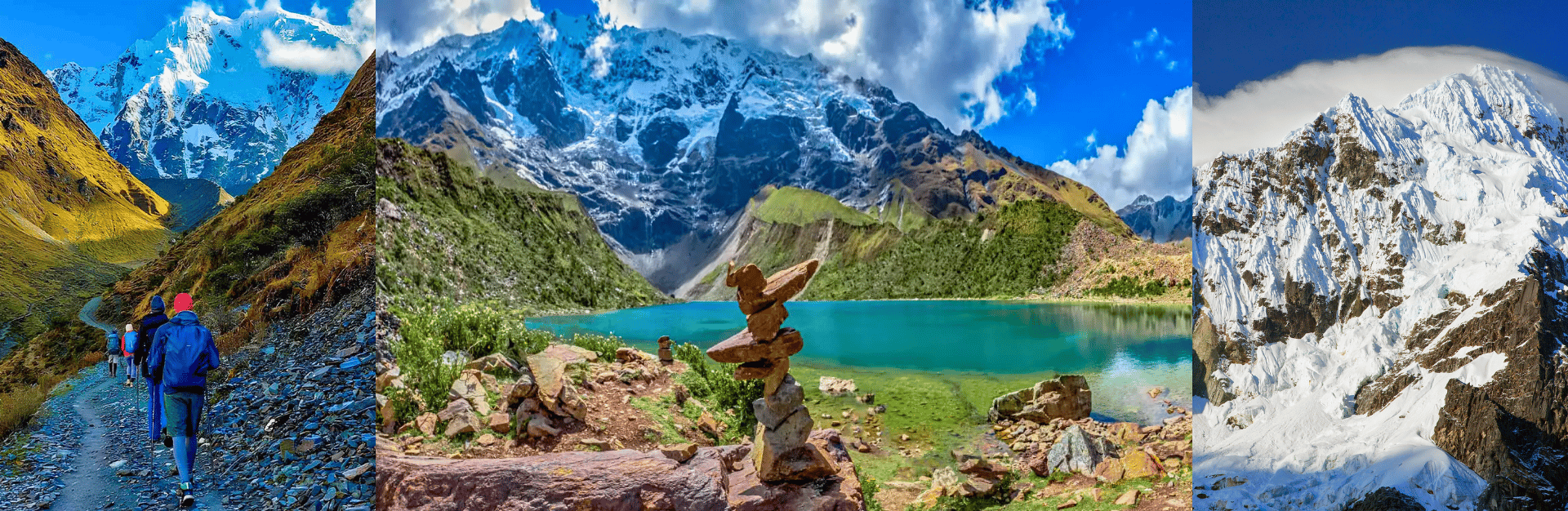
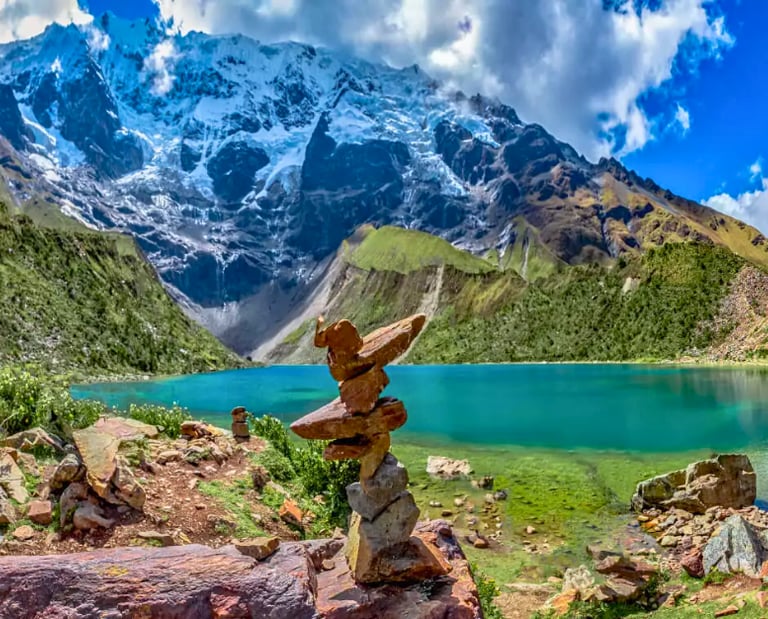
Salkantay Trek – 5D/4N
Long Ausangate Trek – 7D/6N
Lares Trek Plus – 7D/6N
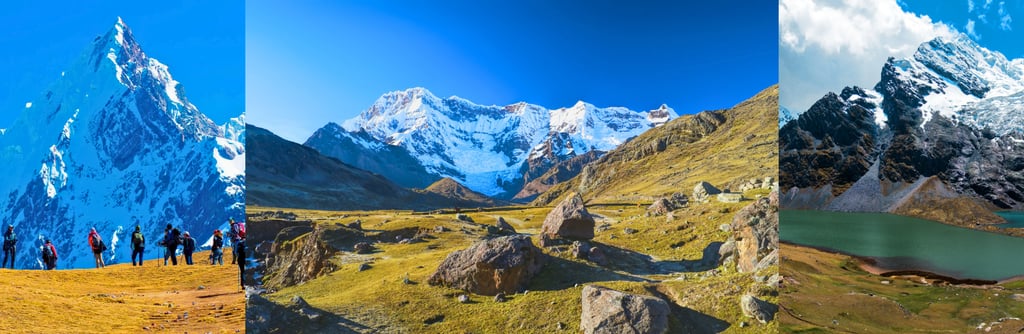
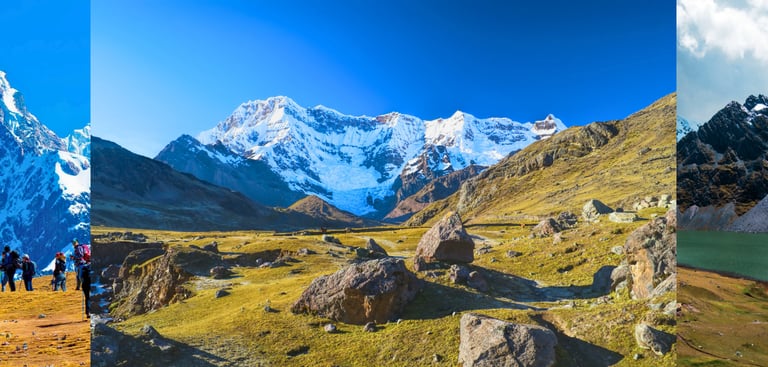
A challenging high-altitude trek featuring glaciers, turquoise lakes, and remote landscapes around Ausangate Mountain.
An adventurous journey to one of Peru’s most impressive and least visited Inca archaeological sites.
A spectacular alternative trek featuring glaciers, mountain passes, and a rewarding arrival at Machu Picchu.
An extended version of the Lares Trek offering deeper cultural encounters and more time in the Andes.
An extended high-mountain adventure designed for experienced trekkers seeking remote and dramatic landscapes.
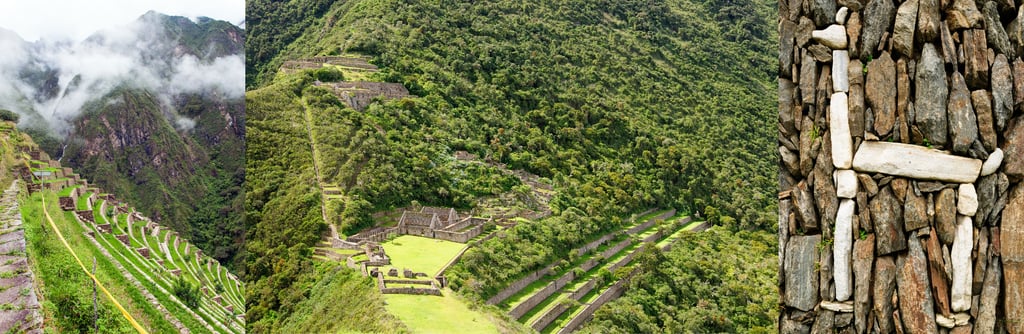
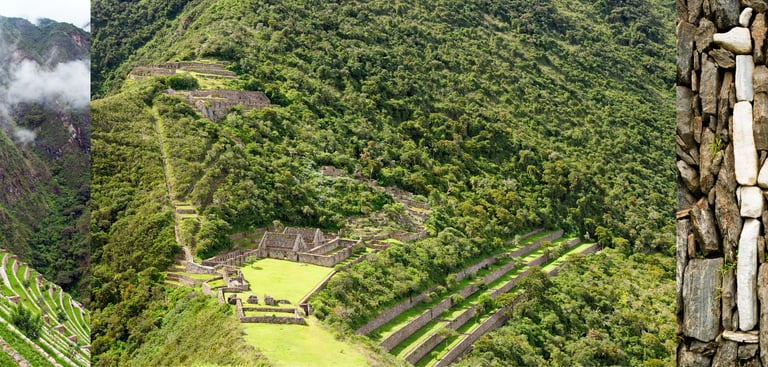
Choquequirao + Machu Picchu – 9D/8N
Salkantay + Machu Picchu – 8D/7N
An epic expedition linking two iconic Inca sites through diverse terrain and unforgettable scenery.
A complete adventure combining the Salkantay Trek with a guided exploration of Machu Picchu.
Difficulty: Challenging
Distance: Approx. 42 km / 26 miles
Highest Elevation: 4,215 m / 13,828 ft
Good For: Active travelers seeking a complete Inca Trail experience
Difficulty: Challenging
Distance: Approx. 42 km / 26 miles
Highest Elevation: 4,215 m / 13,828 ft
Good For: Active travelers seeking a complete Inca Trail experience
Difficulty: Challenging
Distance: Approx. 42 km / 26 miles
Highest Elevation: 4,215 m / 13,828 ft
Good For: Active travelers seeking a complete Inca Trail experience
Difficulty: Challenging
Distance: Approx. 42 km / 26 miles
Highest Elevation: 4,215 m / 13,828 ft
Good For: Active travelers seeking a complete Inca Trail experience
Difficulty: Challenging
Distance: Approx. 42 km / 26 miles
Highest Elevation: 4,215 m / 13,828 ft
Good For: Active travelers seeking a complete Inca Trail experience
Difficulty: Challenging
Distance: Approx. 42 km / 26 miles
Highest Elevation: 4,215 m / 13,828 ft
Good For: Active travelers seeking a complete Inca Trail experience
Difficulty: Challenging
Distance: Approx. 42 km / 26 miles
Highest Elevation: 4,215 m / 13,828 ft
Good For: Active travelers seeking a complete Inca Trail experience
Difficulty: Challenging
Distance: Approx. 42 km / 26 miles
Highest Elevation: 4,215 m / 13,828 ft
Good For: Active travelers seeking a complete Inca Trail experience


Follow Us
Mario Expeditions Copyright © 2026, All Rights Reserved
Your gateway to unforgettable journeys. Explore the world with expert guides.
Quick Links
Contact Us
marioexpeditionsperu@gmail.com
+1 (203) 904-6229
Our Company