


Inca Trail Hikes
Things To Know About Hiking The Inca Trails Hikes
The origin of the sacred path
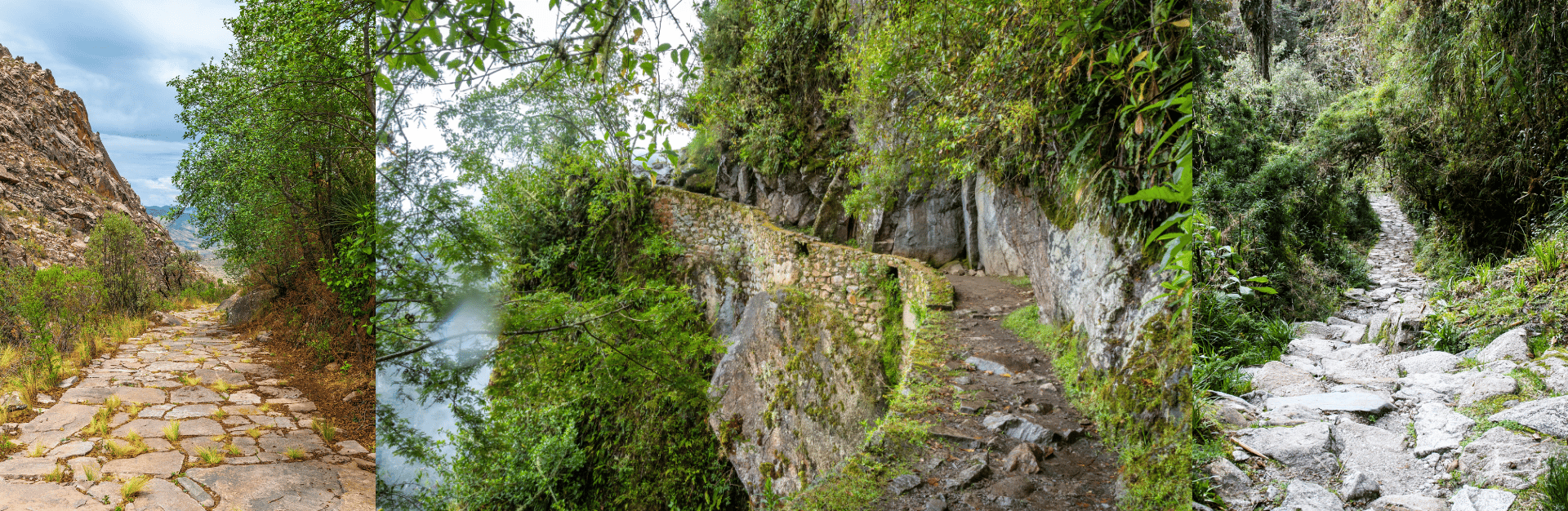
Long before the rise of the Inca Empire, the Andes already shaped life in this region. Mountains, rivers, and natural passes determined where people settled and how they moved across the land. Early Andean societies learned to walk these territories with respect, creating simple trails that connected communities and allowed the exchange of food, knowledge, and traditions. Walking was not merely a practical activity; it was a way of understanding and relating to the land.
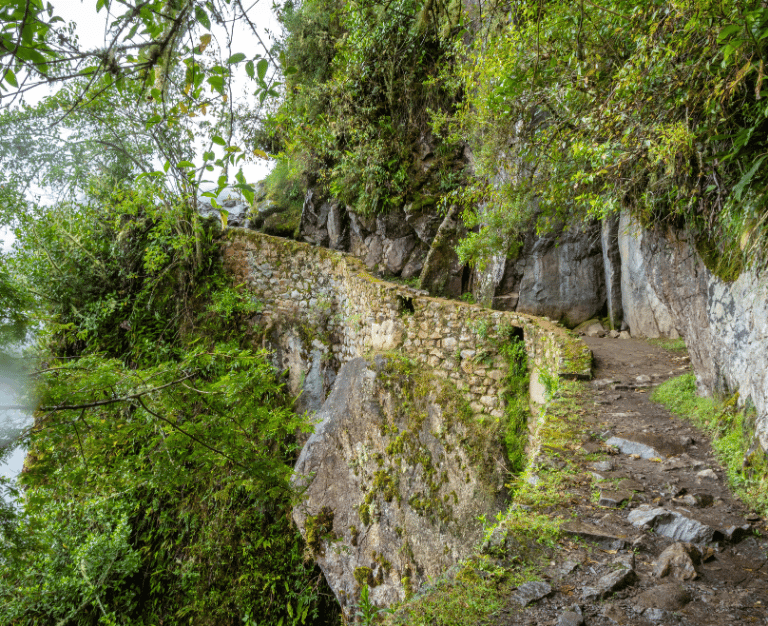
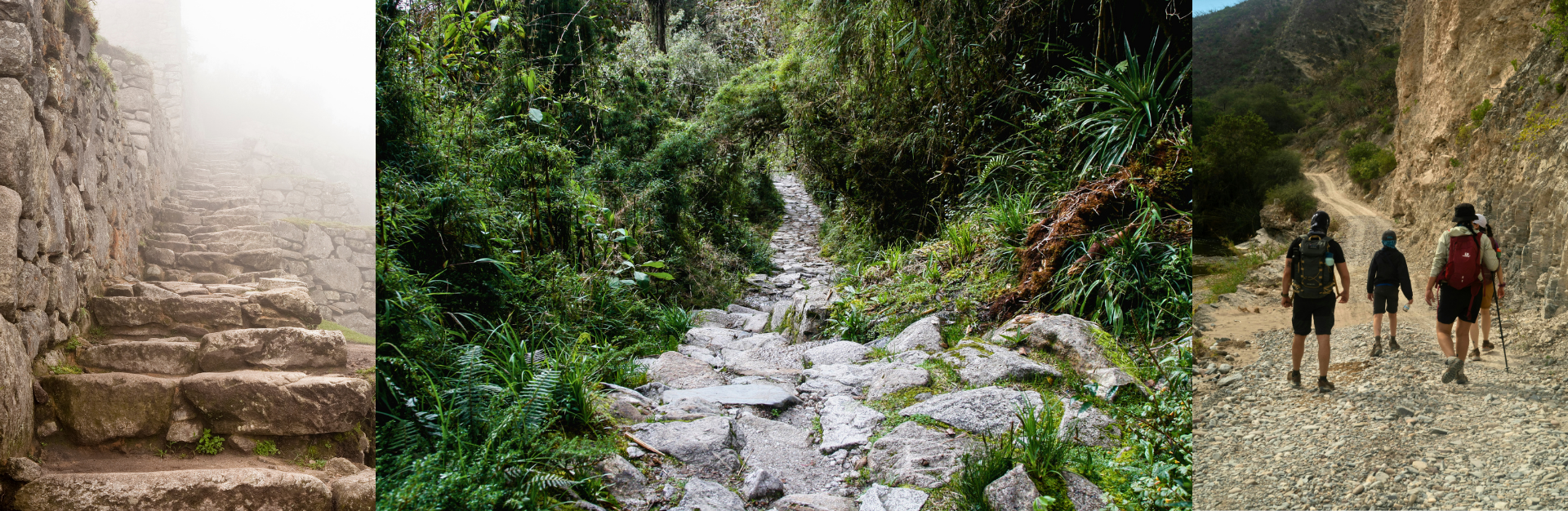
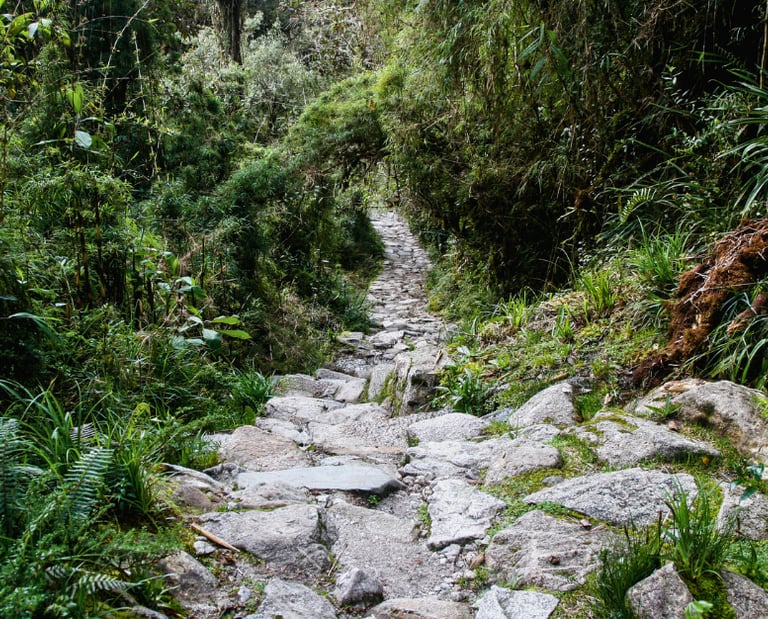
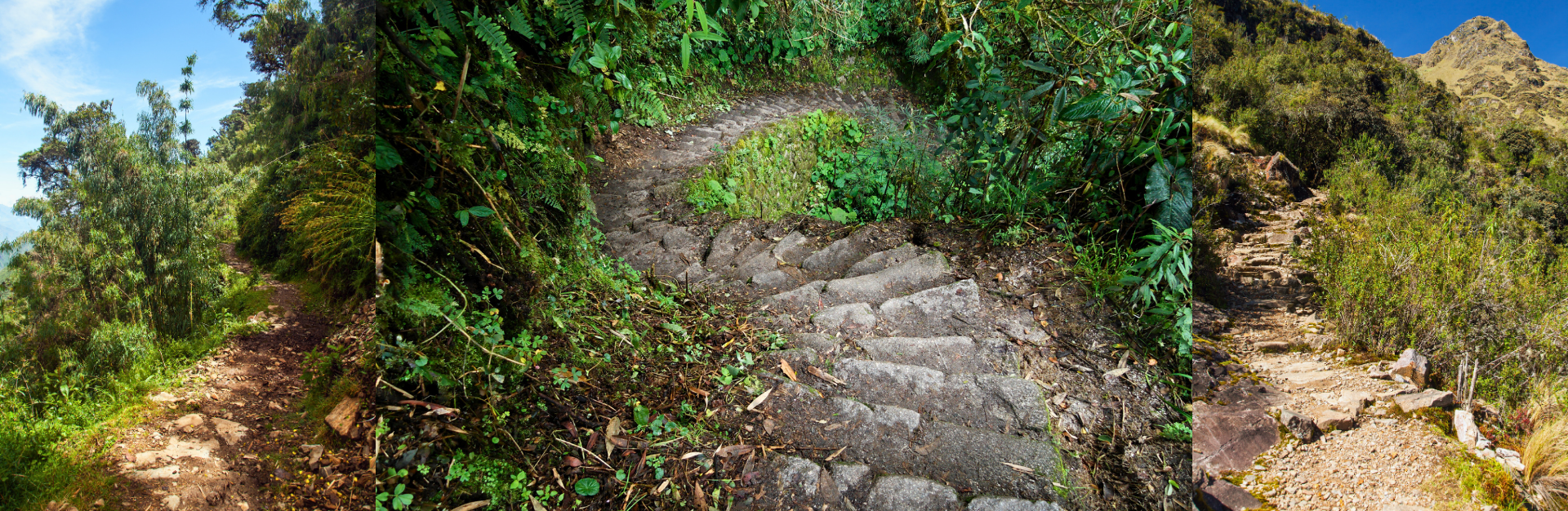
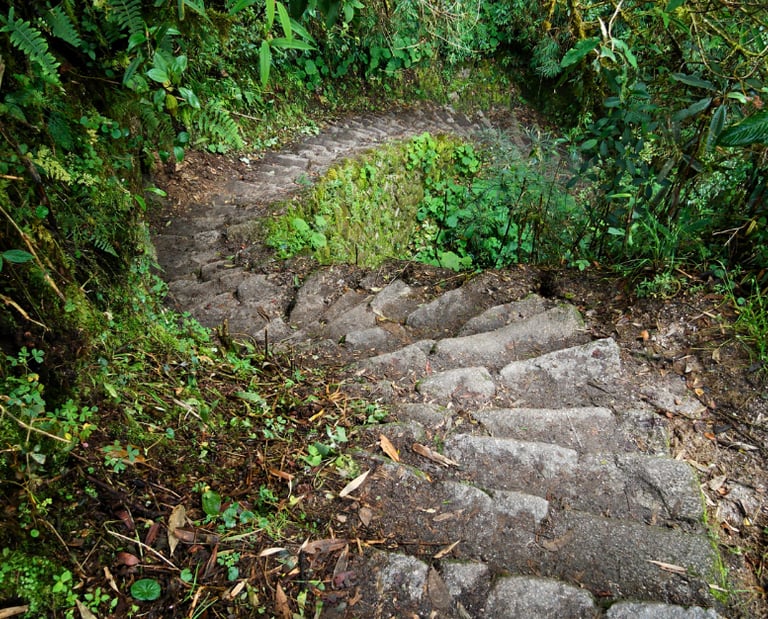
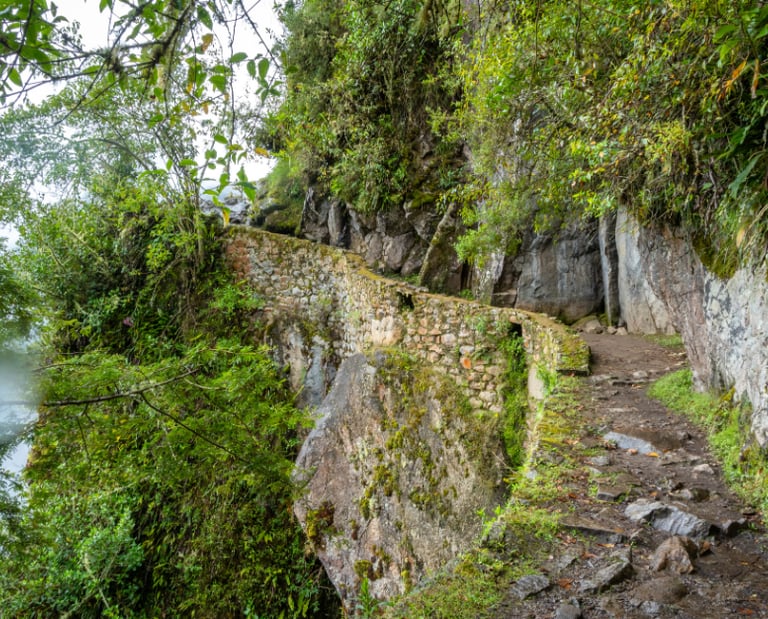
With the emergence of the Inca Empire, these early paths evolved into an organized and powerful network known as the Qhapaq Ñan. This system united distant regions under a shared political, cultural, and spiritual vision. The Incas refined the trails with remarkable engineering, building stone stairways, drainage systems, and high-mountain passages that still endure today. Within this vast network, the route leading to Machu Picchu was conceived as a special path, reserved for ceremonial journeys and access to one of the most sacred places in the Andean world.
Inca Trail Hikes
Spiritual meaning, collapse, and silence
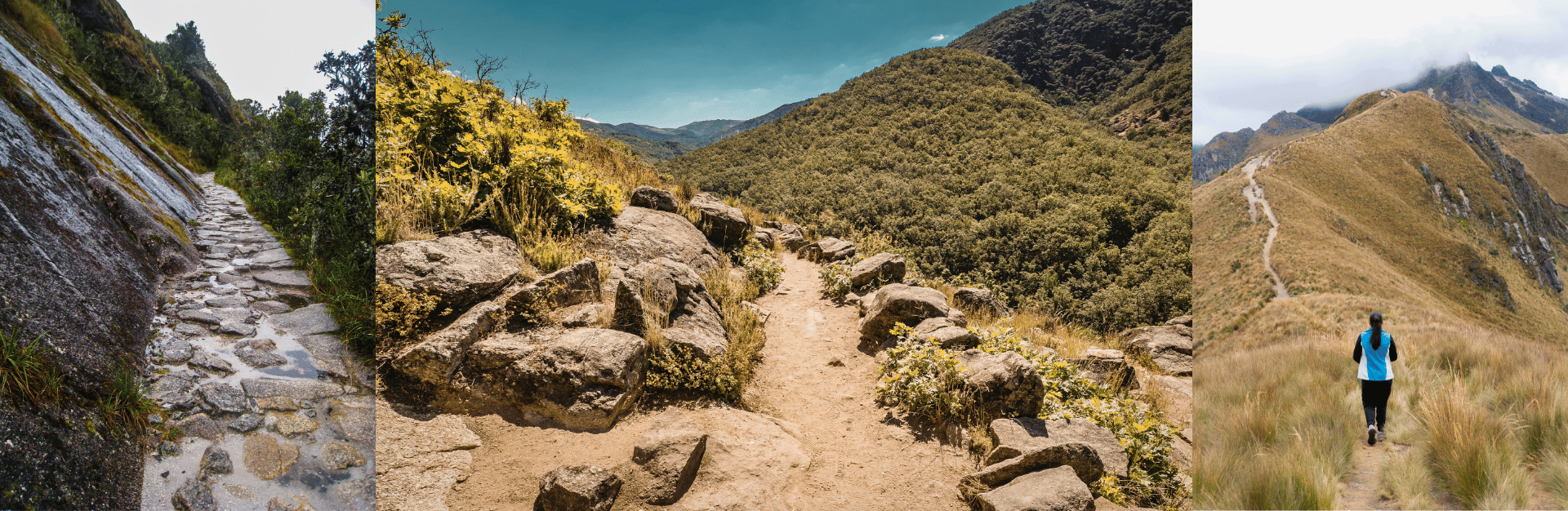
The Inca Trail to Machu Picchu was never designed simply to reach a destination. Every section of the route carried symbolic meaning. The surrounding mountains, known as Apus, were considered living spirits, and walking among them required respect, effort, and ritual awareness. The journey itself was a form of preparation—physical and spiritual—guiding the traveler through changing landscapes that reflected harmony between nature, astronomy, and belief before reaching the sacred city.
The arrival of the Spanish conquest marked a profound rupture. The original function of the trail system was lost, many routes were abandoned, and Machu Picchu gradually faded into silence. Over centuries, vegetation reclaimed the stone paths, and much of the knowledge surrounding them survived only through oral tradition. While the world forgot these routes, Andean communities continued to recognize their sacred value, preserving their memory through daily life and cultural continuity..
Rediscovery, preservation, and the experience today
In the twentieth century, Machu Picchu and the Inca Trail re-emerged into global awareness. This rediscovery transformed the route into one of the most iconic trekking experiences on Earth, attracting travelers from around the world. At the same time, it revealed the fragility of a path that had endured for centuries and the urgent need to protect it. Today, access to the Inca Trail is carefully regulated to preserve its historical, cultural, and environmental integrity.
Walking the Inca Trail today is far more than a hike. It is an encounter with living history, where each step reconnects the present with a world shaped by ancient knowledge and deep respect for nature. Travelers do not simply observe ruins and landscapes; they become part of a continuing legacy protected by local communities. Reaching Machu Picchu is powerful, but understanding the journey that leads there is what gives the experience its true meaning.


Inca Trail Hikes
Short Inca Trail – 2D/1N
A perfect short adventure combining classic Inca Trail sections with unforgettable scenery and a rewarding arrival at Machu Picchu.
Classic Inca Trail – 4D/3N
Extended Inca Trail – 5D/4N (new)
Inca Trail + Sacred Valley – 6D/5N (new)
Total Inca Trail Experience – 7D/6N
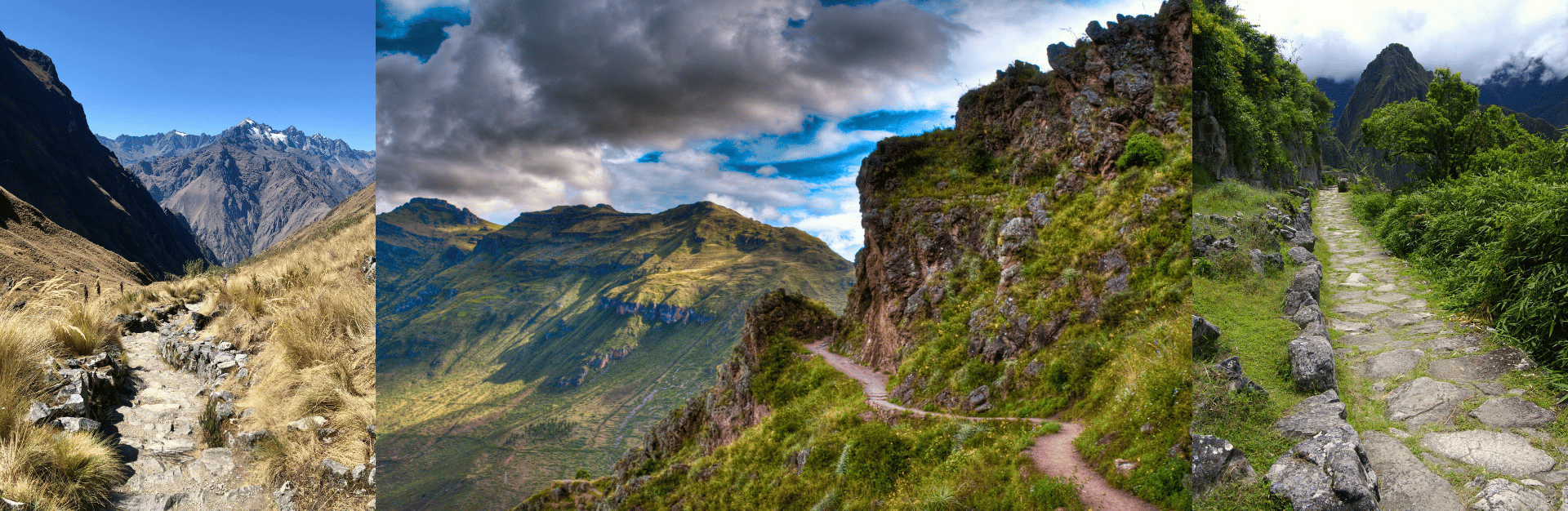
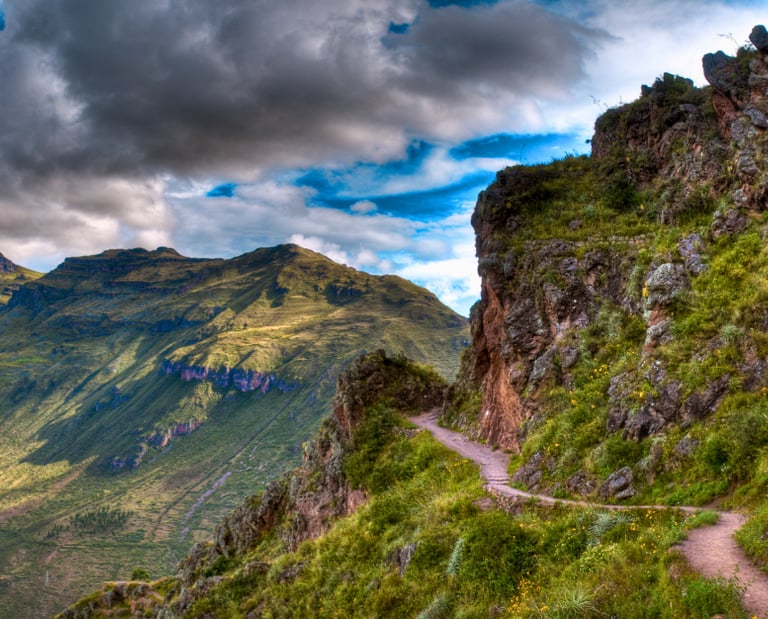
The legendary Inca Trail experience following ancient paths, diverse landscapes, and culminating at the iconic Machu Picchu citadel.
An enhanced Inca Trail journey offering deeper exploration, quieter routes, and extra time to enjoy Peru’s natural and cultural wonders.
A complete cultural journey combining the Sacred Valley highlights with the iconic Inca Trail trek to Machu Picchu.
The most complete Inca Trail program, blending culture, trekking, history, and comfort for an immersive Andean adventure.
Difficulty: Challenging
Distance: Approx. 42 km / 26 miles
Highest Elevation: 4,215 m / 13,828 ft
Good For: Active travelers seeking a complete Inca Trail experience
Difficulty: Challenging
Distance: Approx. 42 km / 26 miles
Highest Elevation: 4,215 m / 13,828 ft
Good For: Active travelers seeking a complete Inca Trail experience
Difficulty: Challenging
Distance: Approx. 52 km / 32 miles
Highest Elevation: 4,215 m / 13,828 ft
Good For: Travelers seeking a full cultural and trekking experience
Difficulty: Challenging
Distance: Approx. 48 km / 30 miles
Highest Elevation: 4,215 m / 13,828 ft
Good For: Travelers seeking a longer and more immersive Inca Trail experience
Difficulty: Challenging
Distance: Approx. 42 km / 26 miles
Highest Elevation: 4,215 m / 13,828 ft
Good For: Active travelers seeking a complete Inca Trail experience


Follow Us
Mario Expeditions Copyright © 2026, All Rights Reserved
Your gateway to unforgettable journeys. Explore the world with expert guides.
Quick Links
Contact Us
marioexpeditionsperu@gmail.com
+1 (203) 904-6229
Our Company